
With Mental Health for Parents and Caregivers at the forefront, this paragraph opens a window to an amazing start and intrigue, inviting readers to embark on a storytelling filled with unexpected twists and insights.
Exploring the significance of mental well-being for parents and caregivers, this discussion delves into strategies, challenges, and resources crucial for navigating this vital aspect of caregiving.
Mental Health for Parents and Caregivers
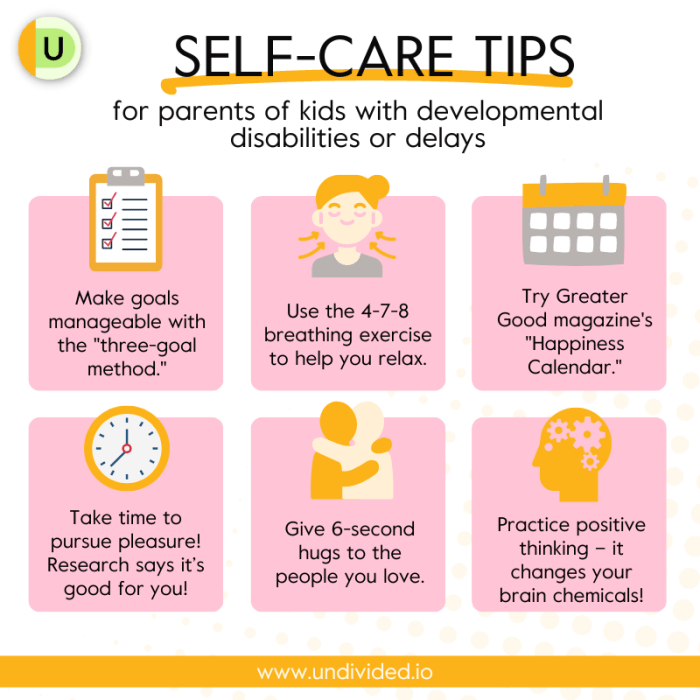
It is crucial for parents and caregivers to prioritize their mental health to ensure they can provide the best care for their children.
The Importance of Mental Health Awareness
It is essential for parents and caregivers to be aware of their mental health status to recognize any signs of stress, anxiety, or depression early on. By being proactive in addressing mental health issues, they can maintain a healthy mindset and better support their children.
Strategies to Prioritize Mental Well-being
- Make time for self-care activities such as exercise, meditation, or hobbies.
- Seek support from friends, family, or mental health professionals when needed.
- Establish boundaries to prevent burnout and maintain a healthy work-life balance.
Impact of Parental Mental Health on Children
Parents’ mental health directly influences children’s emotional well-being and development. Children are highly perceptive and can be affected by their parents’ stress levels. Therefore, it is vital for parents to manage their mental health effectively to create a positive and supportive environment for their children.
Tips for Managing Stress
- Practice mindfulness techniques to stay present and reduce anxiety.
- Delegate tasks and responsibilities to avoid feeling overwhelmed.
- Engage in open communication with your partner or co-parent to share the load and support each other.
Challenges Faced by Parents and Caregivers
Parenting and caregiving come with a unique set of challenges, especially when it comes to mental health. The stress and responsibilities involved can take a toll on individuals, leading to various difficulties in managing their own well-being.
Common Challenges for Parents and Caregivers
- Financial Strain: Parents and caregivers often face financial challenges, which can impact their mental health. The pressure to provide for their families while managing healthcare costs can be overwhelming.
- Emotional Burden: Dealing with the emotional needs of children or dependents can be draining. Parents and caregivers may struggle to balance their own emotions while supporting others.
- Time Constraints: Juggling work, household responsibilities, and caregiving duties can leave parents with little time for self-care. This lack of time for relaxation and personal hobbies can contribute to mental health issues.
- Social Isolation: Parents and caregivers may feel isolated from their peers due to their caregiving responsibilities. This sense of loneliness can exacerbate feelings of stress and anxiety.
Societal Pressures and Mental Health
- Expectations: Society often places unrealistic expectations on parents and caregivers to excel in all areas of their lives. The pressure to be a perfect parent or caregiver can lead to feelings of inadequacy and stress.
- Stigma: There is still stigma surrounding mental health issues, which can prevent parents and caregivers from seeking help. The fear of judgment or discrimination may deter individuals from accessing the support they need.
- Comparison Culture: Social media and societal norms promote a culture of comparison, where parents feel the need to measure up to unrealistic standards. This constant comparison can negatively impact mental health.
Personal Stories of Overcoming Mental Health Challenges
- One parent shared how practicing mindfulness and setting boundaries helped them manage stress and anxiety while caring for their child with special needs.
- Another caregiver discussed the importance of seeking therapy to address their own mental health struggles while supporting a family member with a chronic illness.
- A single parent shared how joining a support group for other parents in similar situations provided them with a sense of community and understanding during challenging times.
The Role of Self-Care in Addressing Mental Health Challenges
Self-care is crucial for parents and caregivers to maintain their mental well-being amidst the challenges they face. Taking time for oneself, setting boundaries, seeking professional help when needed, and engaging in activities that bring joy and relaxation are all important aspects of self-care that can help individuals cope with the stresses of parenting and caregiving.
Seeking Support and Resources
Seeking support and resources is crucial for parents and caregivers facing mental health challenges. It is important to prioritize your well-being to better care for your loved ones.
Professional Help for Mental Health Concerns
Seeking professional help, such as therapy or counseling, can provide valuable support and guidance for parents and caregivers dealing with mental health issues. Therapists and mental health professionals can offer strategies to manage stress, anxiety, depression, and other challenges effectively.
Types of Support Groups
There are various types of support groups available for parents and caregivers, both in-person and online. These groups provide a safe space to share experiences, receive support, and connect with others facing similar challenges. Support groups can help reduce feelings of isolation and offer valuable insights and coping strategies.
Online Resources and Tools
There are many online resources and tools specifically designed for parents and caregivers to improve their mental well-being. Websites, apps, and online communities offer valuable information, self-care tips, and coping strategies to help manage stress and promote mental wellness.
Creating a Support Network
Parents and caregivers can create a support network by reaching out to friends, family members, and other caregivers. Building a strong support system can provide emotional support, practical assistance, and a sense of community. It is essential to communicate your needs and boundaries effectively to receive the support you need.
Balancing Responsibilities and Self-Care
Parents and caregivers often face the challenge of balancing their caregiving responsibilities with taking care of themselves. Neglecting self-care can lead to burnout, increased stress, and overall decreased well-being.
Effective Time Management Strategies
- Prioritize tasks based on urgency and importance to ensure that both caregiving responsibilities and self-care activities are addressed.
- Delegate tasks to other family members or seek external support when feeling overwhelmed.
- Create a daily schedule that includes dedicated time for self-care, such as exercise, meditation, or hobbies.
Impact of Self-Care on Well-Being
Engaging in regular self-care practices can have a positive impact on the overall well-being of parents, caregivers, and their families. When individuals take care of themselves, they are better equipped to handle the challenges of caregiving and maintain a healthy balance in their lives.
Examples of Self-Care Activities
- Practicing mindfulness or meditation to reduce stress and promote relaxation.
- Taking short breaks throughout the day to rest and recharge.
- Engaging in physical exercise to boost energy levels and improve mood.
- Prioritizing healthy eating habits and getting an adequate amount of sleep.
In conclusion, prioritizing mental health as a parent or caregiver is essential for both personal well-being and that of the family. This comprehensive guide aims to equip individuals with the tools and knowledge needed to foster a healthy mindset amidst the challenges of caregiving.
FAQ Guide
How can parents and caregivers prioritize their mental well-being?
Parents and caregivers can prioritize their mental well-being by setting aside time for self-care activities, seeking professional help when needed, and building a support network.
What impact does parental mental health have on children’s well-being?
Parental mental health significantly influences children’s well-being, as children often mirror the emotional state and behaviors of their caregivers.
What are some effective self-care activities for parents and caregivers?
Effective self-care activities for parents and caregivers include mindfulness practices, physical exercise, engaging in hobbies, and connecting with others.


