With Signs of Mental Health Issues at the forefront, this paragraph opens a window to an amazing start and intrigue, inviting readers to embark on a storytelling casual formal language style filled with unexpected twists and insights.
Understanding the various signs of mental health issues is crucial in today’s society. From behavioral changes to emotional struggles, recognizing these signs can lead to early intervention and support for those in need. Let’s delve into the common indicators and how they may manifest in different individuals, shedding light on the importance of mental health awareness.
Signs of Mental Health Issues
Recognizing signs of mental health issues is crucial for early intervention and support. These signs can manifest in various ways and may differ from person to person based on individual experiences and circumstances.
Common Signs of Mental Health Issues
- Changes in mood, such as feeling persistently sad or irritable
- Difficulty concentrating or making decisions
- Withdrawal from social activities and relationships
- Changes in eating or sleeping patterns
- Excessive worry or fear
Manifestation in Different Individuals
The signs of mental health issues can present differently in each individual. For example, while one person may exhibit signs of anxiety through physical symptoms like restlessness, another may show it through emotional outbursts or avoidance behaviors.
Impact on Daily Functioning
Mental health issues can significantly impact daily functioning, affecting areas such as work, relationships, and self-care. For instance, someone experiencing severe depression may struggle to get out of bed or complete basic tasks, leading to difficulties at work and strained relationships.
Behavioral Signs
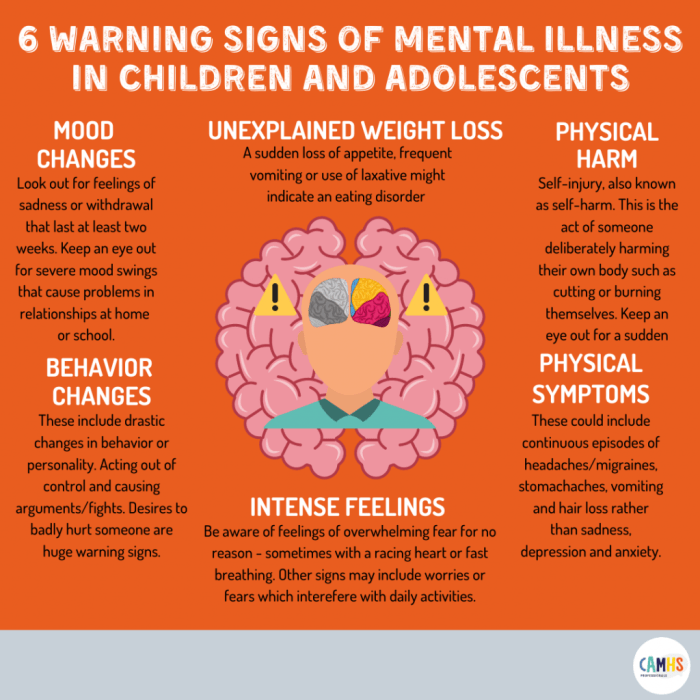
Changes in behavior can often be indicators of underlying mental health issues that need attention. These signs can manifest in various ways, affecting how individuals interact with others and manage their daily routines.
Sudden Mood Swings
- Individuals experiencing sudden and extreme mood swings, from high energy to low mood, may be displaying signs of bipolar disorder or other mood disorders.
- These mood fluctuations can impact relationships, work performance, and overall quality of life, highlighting the importance of seeking professional help.
Withdrawal from Social Activities
- Isolating oneself from social interactions, avoiding gatherings or events, and losing interest in previously enjoyed activities can signify depression or anxiety.
- This withdrawal can exacerbate feelings of loneliness and contribute to the deterioration of mental health if left unaddressed.
Changes in Sleep Patterns
- Disrupted sleep patterns, such as insomnia or oversleeping, can be linked to various mental health conditions like anxiety, depression, or PTSD.
- Consistent disturbances in sleep can further impact mood, cognitive function, and overall well-being, emphasizing the need for proper evaluation and treatment.
Emotional Signs
Emotional signs can provide valuable insights into an individual’s mental health status. These signs encompass a range of emotions that may indicate underlying issues affecting one’s well-being.A person experiencing persistent sadness, anxiety, or anger without a clear reason could be displaying emotional signs of mental health issues. These intense and prolonged emotions can significantly impact daily functioning and quality of life.
Emotional Numbness and Apathy
Emotional numbness or apathy, where an individual feels disconnected or indifferent towards their surroundings and experiences, can be a red flag for mental health concerns. This emotional blunting can lead to a lack of interest in activities that were once enjoyable and a sense of detachment from others.
- Feeling emotionally numb or indifferent towards situations that would typically provoke a response.
- Lack of motivation or enthusiasm for activities that were once fulfilling.
- Difficulty in expressing or identifying emotions.
Intense Mood Fluctuations
Intense mood fluctuations, characterized by sudden and extreme changes in emotions, may indicate an underlying mental health condition. These rapid shifts in mood can disrupt daily life and relationships, causing significant distress to the individual.
- Experiencing drastic mood swings from extreme highs to lows within a short period.
- Feeling overwhelmed by emotions that seem uncontrollable.
- Struggling to regulate and stabilize emotions effectively.
Difficulty in Managing Emotions
Difficulty in managing emotions, such as frequent outbursts, heightened sensitivity, or inability to cope with stress, can be a manifestation of mental health issues. These challenges in emotional regulation can impact relationships, work performance, and overall well-being.
- Experiencing frequent outbursts of anger, frustration, or irritability.
- Feeling overwhelmed by emotions and finding it challenging to calm down.
- Struggling to cope with stress and pressure, leading to emotional breakdowns.
Physical Signs
Physical symptoms can often be manifestations of underlying mental health issues. Here are some common physical signs that may indicate a person is struggling with their mental well-being:
Fatigue
- Feeling constantly tired, even after getting enough rest
- Struggling to concentrate or complete tasks due to lack of energy
- General feeling of weakness or exhaustion
Headaches
- Frequent or severe headaches without a clear medical cause
- Migraines that are worsened by stress or anxiety
- Tension headaches due to constant worry or tension
Digestive Issues
- Stomach pain, bloating, or discomfort without a physical explanation
- Changes in bowel habits, such as diarrhea or constipation, related to stress
- Nausea or loss of appetite due to anxiety or depression
Connection between Chronic Physical Ailments and Mental Health Issues
Chronic physical ailments like arthritis, diabetes, or cardiovascular disease can be linked to mental health conditions such as depression or anxiety. The stress and emotional strain of dealing with a chronic illness can exacerbate existing mental health issues or lead to the development of new ones.
Changes in Appetite or Unexplained Aches and Pains
- Significant weight loss or gain without intentional diet or exercise changes
- Constant body aches or pains with no clear physical cause
- Loss of interest in food or eating disorders as a coping mechanism
Impact of Stress on Physical Health
Chronic stress can have a detrimental effect on physical health, leading to increased risk of heart disease, high blood pressure, and weakened immune system. The body’s response to stress can manifest in various physical symptoms that may be indicative of underlying mental health concerns.
Cognitive Signs
Difficulty concentrating, memory problems, and racing thoughts are common cognitive signs of mental health issues. Persistent negative thoughts can also indicate underlying mental health conditions. Impaired decision-making and disorganized thinking are other cognitive signs to watch out for. Cognitive distortions, such as black-and-white thinking or catastrophizing, can also be linked to mental health issues.
Examples of Cognitive Signs:
- Difficulty concentrating on tasks or conversations
- Forgetfulness and memory issues
- Racing thoughts that are hard to control
MENTAL HEALTH
Mental health refers to our emotional, psychological, and social well-being. It impacts how we think, feel, and act, and plays a crucial role in determining how we handle stress, relate to others, and make choices.
It is essential to prioritize mental health as it affects every aspect of our lives. Good mental health allows us to cope with the normal stresses of life, work productively, maintain healthy relationships, and make meaningful contributions to our communities.
Stigma Surrounding Mental Health
Unfortunately, there is a significant stigma surrounding mental health that can prevent individuals from seeking help. This stigma often stems from misconceptions, fear of judgment, or cultural beliefs that discourage open discussions about mental health issues.
- People may be afraid of being labeled as “weak” or “crazy” if they admit to having mental health concerns.
- This stigma can lead to feelings of shame and isolation, making it challenging for individuals to reach out for support.
Benefits of Seeking Professional Help
Seeking professional help for mental health concerns can have numerous benefits:
- Access to expert guidance and support tailored to your specific needs.
- Learning effective coping strategies and tools to manage symptoms.
- Improving overall quality of life and well-being.
- Reducing the risk of long-term mental health issues.
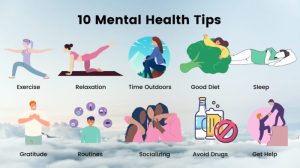
Tips for Maintaining Good Mental Health
Here are some tips to help maintain good mental health and well-being:
- Practice self-care activities such as exercise, meditation, or hobbies that bring you joy.
- Stay connected with supportive friends and family members who can offer a listening ear.
- Set boundaries to protect your mental and emotional well-being.
- Seek professional help if you are struggling with persistent symptoms or distress.
In conclusion, being aware of the signs of mental health issues is the first step towards promoting well-being and seeking help when needed. By understanding the behavioral, emotional, physical, and cognitive signs, we can create a supportive environment that prioritizes mental health. Let’s continue to break the stigma and prioritize mental wellness in our daily lives.
FAQ Section
Can mental health issues manifest differently in various individuals?
Yes, mental health issues can present in diverse ways depending on the individual’s coping mechanisms and personal experiences.
How can society’s perception impact the recognition of mental health signs?
Society’s view on mental health can influence how individuals perceive and acknowledge symptoms, sometimes leading to delayed intervention.
What are some physical signs that may indicate underlying mental health concerns?
Physical symptoms like chronic fatigue, headaches, and unexplained aches can be linked to mental health issues.
Is seeking professional help important for managing mental health concerns?
Absolutely, seeking professional help can provide valuable support and resources for addressing mental health challenges effectively.
How can maintaining good mental health positively impact overall well-being?
By prioritizing mental health, individuals can enhance their overall well-being, resilience, and quality of life.