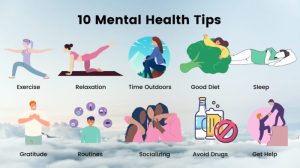
Therapy Options for Mental Health sets the stage for this enthralling narrative, offering readers a glimpse into a story that is rich in detail with casual formal language style and brimming with originality from the outset.
As we delve into the realm of mental health therapy, we uncover a world of diverse treatment options that cater to individual needs and preferences. From cognitive-behavioral therapy to art therapy, the landscape is vast and promising.
Therapy Options for Mental Health
When it comes to treating mental health conditions, there are various therapy options available to help individuals manage their symptoms and improve their overall well-being.
Cognitive-Behavioral Therapy (CBT)
Cognitive-Behavioral Therapy (CBT) is a widely used therapy approach that focuses on changing negative thought patterns and behaviors to improve mental health. It helps individuals identify and challenge harmful beliefs and develop healthier coping mechanisms.
Psychotherapy
Psychotherapy, also known as talk therapy, involves discussing emotions, thoughts, and behaviors with a trained therapist. This therapy approach aims to help individuals gain insight into their feelings and behaviors, as well as develop strategies to cope with mental health challenges.
Art Therapy
Art therapy is a form of therapy that incorporates creative expression, such as painting, drawing, or sculpting, to help individuals explore and process their emotions. It can be particularly beneficial for those who may find it difficult to verbalize their feelings.
Effectiveness of Therapy Options
- Cognitive-Behavioral Therapy (CBT) has been shown to be effective in treating various mental health conditions, including anxiety disorders, depression, and PTSD.
- Psychotherapy has demonstrated effectiveness in helping individuals manage symptoms of conditions like bipolar disorder, schizophrenia, and eating disorders.
- Art therapy has been found to be beneficial in reducing stress, improving self-esteem, and enhancing communication skills in individuals with mental health issues.
Benefits of Therapy for Mental Health
Therapy can offer numerous benefits for individuals dealing with mental health concerns. It provides a safe and supportive space to explore emotions, thoughts, and behaviors, leading to improved coping skills and overall well-being.
Individual Therapy vs. Group Therapy
Both individual therapy and group therapy have their unique advantages. In individual therapy, clients receive personalized attention tailored to their specific needs, allowing for deep exploration and focused interventions. On the other hand, group therapy offers a sense of community and connection with others who may be facing similar challenges, providing valuable peer support and perspective.
- Individual Therapy:
- Allows for personalized attention and tailored treatment plans.
- Offers a safe space for deep introspection and exploration.
- Focuses on individual goals and progress.
- Group Therapy:
- Provides a sense of community and belonging.
- Offers peer support and shared experiences.
- Encourages social skills development and interpersonal growth.
Real-Life Examples
Many individuals have experienced significant improvements in their mental health through therapy. For instance, Sarah, who struggled with anxiety for years, found relief and learned effective coping strategies through cognitive-behavioral therapy. Similarly, John, who battled depression, found solace in group therapy sessions where he felt understood and supported by his peers.
Role of Therapists in Mental Health Treatment
Therapists play a crucial role in providing support and treatment for individuals struggling with mental health disorders. They are trained professionals who offer guidance, tools, and strategies to help clients manage their symptoms and improve their overall well-being.
Qualifications and Training
Therapists specializing in mental health typically hold a master’s or doctoral degree in psychology, counseling, social work, or a related field. They undergo extensive training and supervised clinical experience to develop the necessary skills to effectively help clients navigate their mental health challenges.
- Therapists must obtain a state license to practice independently, ensuring they meet specific educational and training requirements.
- Continuing education and professional development are essential for therapists to stay abreast of the latest research and therapeutic techniques.
Importance of Therapist-Client Relationship
A strong and trusting relationship between the therapist and client is paramount to the success of mental health therapy. This bond creates a safe space for clients to open up, explore their emotions, and work through their issues without judgment.
Therapists must demonstrate empathy, active listening, and genuine care to establish a therapeutic alliance with their clients.
- The therapist-client relationship serves as the foundation for effective communication, collaboration, and progress in therapy sessions.
- Building a sense of trust and rapport allows clients to feel supported and understood, leading to positive outcomes in their mental health journey.
Integrative Approaches to Mental Health Therapy

Integrative approaches to mental health therapy involve combining traditional psychotherapy with other treatment modalities such as medication or lifestyle changes. This holistic approach aims to address the multiple factors that contribute to mental health issues and enhance overall well-being.
Complementary Therapies for Mental Health
Complementary therapies are alternative treatments that can be used alongside traditional mental health therapies to provide additional support and benefits. Some examples of complementary therapies include:
- Yoga and meditation: These practices can help reduce stress, anxiety, and depression by promoting relaxation and mindfulness.
- Art therapy: Engaging in creative activities can be therapeutic and help individuals express their emotions in a non-verbal way.
- Exercise and nutrition: Regular physical activity and a healthy diet can have a positive impact on mental health by improving mood and overall well-being.
Benefits of Integrating Multiple Approaches
Integrating multiple approaches to mental health therapy can offer a range of benefits for individuals seeking comprehensive care:
- Improved treatment outcomes: Combining different modalities can enhance the effectiveness of therapy and address a wider range of symptoms.
- Personalized treatment plans: Integrative approaches allow therapists to tailor treatment plans to meet the specific needs and preferences of each individual.
- Enhanced coping skills: By incorporating complementary therapies, individuals can develop new coping strategies and skills to manage their mental health more effectively.
Importance of Seeking Help for Mental Health Concerns
Recognizing and addressing mental health issues through therapy is crucial for overall well-being. Seeking help can lead to improved coping mechanisms, better emotional regulation, and a higher quality of life. It is essential to prioritize mental health just like physical health.
Common Barriers to Seeking Therapy for Mental Health Concerns
- Stigma: Many individuals feel ashamed or embarrassed to admit they need help, fearing judgment from others.
- Cost: Therapy can be expensive, making it inaccessible to those with financial constraints.
- Lack of awareness: Some people may not realize the importance of therapy or the resources available to them.
- Mistrust: Past negative experiences with therapy or mental health professionals can deter individuals from seeking help.
Encouraging Someone to Seek Help for Their Mental Health
- Normalize the conversation: Approach the topic of mental health with empathy and understanding, creating a safe space for open dialogue.
- Offer support: Let the person know that seeking help is a sign of strength and that they are not alone in their struggles.
- Provide information: Share resources, therapy options, and success stories to educate and empower them to take the first step towards healing.
- Be patient: Change takes time, and it’s important to support their journey without pressure or judgment.
In conclusion, Therapy Options for Mental Health opens the door to a deeper understanding of mental health treatments and the transformative impact they can have on individuals. By exploring the various therapy approaches and benefits, one can truly appreciate the value of seeking help and support for mental well-being.
FAQ Insights
What are some lesser-known therapy options for mental health?
Some lesser-known therapy options include wilderness therapy, equine therapy, and music therapy, each offering unique benefits for mental health treatment.
Is therapy effective for all types of mental health conditions?
While therapy can be beneficial for many mental health conditions, its effectiveness may vary depending on the individual and the specific condition. It’s important to consult with a mental health professional to determine the best course of treatment.
How long does therapy typically last for mental health treatment?
The duration of therapy can vary depending on the individual’s needs and progress. Some therapy may be short-term, spanning a few weeks to months, while others may be long-term, extending over several years for ongoing support and maintenance.
Can therapy be combined with medication for mental health treatment?
Yes, therapy can be combined with medication as part of a comprehensive treatment plan for mental health conditions. This integrated approach can provide holistic support and address both psychological and physiological aspects of mental health.