Embark on a journey to discover effective strategies for managing stress and improving mental health with this comprehensive guide on Mental Health Tips for Stress Relief. Dive into a wealth of knowledge that explores the intricate relationship between stress and mental well-being, offering practical tips and insights to help you lead a more balanced life.
Explore the nuances of stress relief techniques, mindfulness practices, and healthy habits that can transform the way you approach daily challenges, paving the way towards a healthier and happier existence.
Mental Health
Mental health is a crucial component of our overall well-being, encompassing our emotional, psychological, and social well-being. It affects how we think, feel, and act, influencing how we handle stress, relate to others, and make choices.
Stress can have a significant impact on our mental health, leading to feelings of anxiety, depression, and other mental health disorders. Prolonged stress can exacerbate existing mental health conditions or trigger new ones, affecting our ability to function effectively in daily life.
Common Mental Health Disorders Associated with Stress
- Anxiety Disorders: Stress can contribute to the development of various anxiety disorders, such as generalized anxiety disorder, panic disorder, and social anxiety disorder.
- Depression: Chronic stress is closely linked to the onset of depression, affecting mood, energy levels, and motivation.
- Post-Traumatic Stress Disorder (PTSD): Stressful or traumatic events can lead to the development of PTSD, characterized by intrusive memories, avoidance behaviors, and emotional numbness.
Impact of Mental Health on Daily Life
Mental health plays a vital role in shaping our daily experiences, influencing our relationships, work performance, and overall quality of life. Poor mental health can lead to difficulties in maintaining social connections, concentrating on tasks, and coping with challenges effectively.
Understanding Stress
Stress is a natural response to challenging or threatening situations, triggering the body’s fight-or-flight mechanism. It can manifest in various forms and impact individuals physically, emotionally, and mentally.
Types of Stress
- Acute Stress: Short-term stress response to immediate challenges or pressure.
- Chronic Stress: Ongoing stress from long-term issues like work, finances, or relationships.
- Episodic Acute Stress: Repeated episodes of acute stress leading to a pattern of high-stress levels.
Common Stressors
- Work-related pressure and deadlines.
- Relationship issues or conflicts with family, friends, or colleagues.
- Financial difficulties and worries about the future.
Physical and Emotional Symptoms
- Physical Symptoms: Headaches, muscle tension, fatigue, digestive issues.
- Emotional Symptoms: Anxiety, irritability, mood swings, feeling overwhelmed.
Impact on Relationships and Work Performance
- Relationships: Stress can lead to conflicts, communication breakdown, and emotional distancing.
- Work Performance: High stress levels can affect concentration, productivity, decision-making, and overall job satisfaction.
Mental Health Tips for Stress Relief
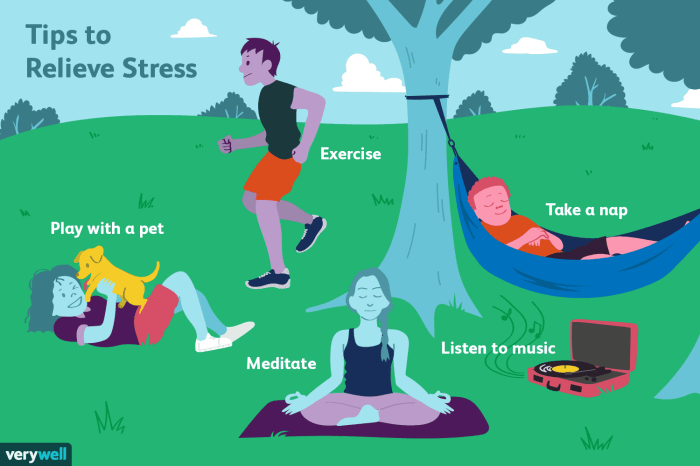
Stress relief is crucial for maintaining good mental health. Here are some tips to help you relax and reduce stress:
Relaxation Techniques for Stress Relief
There are various relaxation techniques that can help reduce stress levels. Some examples include:
- Deep breathing exercises
- Progressive muscle relaxation
- Guided imagery
- Aromatherapy
Benefits of Mindfulness and Meditation
Mindfulness and meditation can significantly reduce stress and improve mental well-being. These practices help focus the mind and promote relaxation.
Importance of Exercise for Mental Health
Regular exercise is essential for improving mental health and managing stress. Physical activity releases endorphins, which are known as “feel-good” hormones.
Healthy Habits for Stress Relief
Adopting healthy habits can promote stress relief and overall well-being. Some examples include:
- Getting enough sleep
- Eating a balanced diet
- Practicing gratitude
- Maintaining social connections
Seeking Help
Seeking help from a mental health professional is crucial for addressing and managing mental health issues effectively. These professionals are equipped with the knowledge and tools to provide the necessary support and guidance for individuals experiencing mental health challenges.
Types of Mental Health Professionals
- Psychiatrists: Medical doctors specialized in mental health who can diagnose and treat mental illnesses, often through medication.
- Psychologists: Trained professionals who provide therapy and counseling to help individuals cope with emotional challenges and improve mental well-being.
- Counselors: Professionals who offer guidance and support through talk therapy to help individuals navigate through difficult situations and emotions.
- Social Workers: Assist individuals in accessing resources and support services to address mental health concerns and overall well-being.
Finding the Right Therapist or Counselor
Finding the right therapist or counselor is essential for a successful therapeutic relationship. Consider factors such as their specialization, approach to therapy, and personality fit. Here are some tips to help you find the right mental health professional:
- Research different professionals and their areas of expertise.
- Consider seeking recommendations from trusted sources or healthcare providers.
- Reach out to potential therapists or counselors to ask questions and assess compatibility.
- Trust your instincts and choose a professional with whom you feel comfortable and understood.
Resources for Mental Health Support
If you or someone you know is in need of immediate mental health support or crisis intervention, there are resources available to provide assistance:
- Contact a local mental health hotline or crisis intervention service for immediate support.
- Reach out to a primary care physician or healthcare provider for guidance on accessing mental health services.
- Explore online resources and helplines for mental health support and information.
- Consider joining a support group or seeking community-based mental health services for additional support.
In conclusion, implementing the Mental Health Tips for Stress Relief discussed can lead to a profound impact on your overall well-being. By prioritizing self-care, seeking support when needed, and embracing healthy habits, you can navigate the complexities of stress more effectively and nurture a positive mindset for the future.
FAQ Summary
How can I differentiate between normal stress and a mental health disorder?
Normal stress is usually temporary and a response to a specific situation, while a mental health disorder involves persistent symptoms that significantly impact daily functioning. If you’re unsure, consulting a mental health professional can provide clarity.
Are there specific exercises that are more beneficial for reducing stress?
Any form of physical activity can help reduce stress, but exercises like yoga, tai chi, and aerobic workouts have been shown to be particularly effective in promoting relaxation and reducing stress levels.
How can I incorporate mindfulness into my daily routine for stress relief?
Start by setting aside a few minutes each day for mindfulness practices such as deep breathing, mindful walking, or guided meditation. Consistency is key, so gradually increase the duration as you become more comfortable with the techniques.