Best Mental Health Apps 2024 sets the stage for this enthralling narrative, offering readers a glimpse into a story that is rich in detail and brimming with originality from the outset.
As we delve into the realm of mental health apps for the upcoming year, we uncover a treasure trove of tools designed to enhance well-being and provide support in unique ways.
Best Mental Health Apps 2024
In today’s fast-paced world, mental health apps have become essential tools for individuals looking to manage their well-being. These apps offer a variety of features to support users in improving their mental health and overall quality of life.
1. Calm
- Unique Features: Calm offers guided meditation sessions, sleep stories, breathing exercises, and relaxing music to help users reduce stress and anxiety.
- How It Helps: Calm assists users in developing mindfulness practices, improving sleep quality, and enhancing overall mental wellness.
- User Reviews: Calm has received praise for its soothing content and user-friendly interface, earning high ratings for its effectiveness in promoting relaxation.
2. Headspace
- Unique Features: Headspace provides guided meditation sessions, mindfulness exercises, and sleep sounds to support users in managing stress and fostering a sense of peace.
- How It Helps: Headspace aids users in cultivating mindfulness, reducing anxiety, and enhancing focus and clarity in daily life.
- User Reviews: Users appreciate the structured approach of Headspace’s meditation programs and report improvements in their mental well-being after regular use.
3. Moodfit
- Unique Features: Moodfit offers mood tracking, goal setting, cognitive behavioral therapy exercises, and personalized insights to help users understand and manage their emotions.
- How It Helps: Moodfit enables users to identify patterns in their mood, set achievable goals, and develop coping strategies for better emotional regulation.
- User Reviews: Moodfit is praised for its comprehensive tools and personalized recommendations, with users noting positive changes in their mental health over time.
4. Sanvello
- Unique Features: Sanvello combines cognitive behavioral therapy techniques, mood tracking, guided meditations, and peer support to assist users in addressing anxiety, depression, and stress.
- How It Helps: Sanvello empowers users to challenge negative thought patterns, build resilience, and foster a supportive community for mental health recovery.
- User Reviews: Users value Sanvello’s evidence-based approach to mental health support and express gratitude for the platform’s positive impact on their well-being.
5. Talkspace
- Unique Features: Talkspace offers online therapy sessions with licensed mental health professionals, secure messaging, and personalized treatment plans for individuals seeking professional support.
- How It Helps: Talkspace provides accessible and convenient therapy options, allowing users to receive personalized care and guidance for a wide range of mental health concerns.
- User Reviews: Talkspace is commended for its convenience, affordability, and effectiveness in connecting users with qualified therapists, leading to improved mental health outcomes.
Benefits of Mental Health Apps
Mental health apps offer a range of benefits for users seeking support and guidance in managing their well-being.
Promotion of Self-Care
- Encourages mindfulness and relaxation techniques through guided exercises.
- Provides tools for tracking mood, sleep patterns, and daily habits to promote self-awareness.
- Offers personalized strategies for coping with stress, anxiety, and other mental health challenges.
Access to Therapy and Resources
- Connects users with licensed therapists for online counseling sessions.
- Offers educational resources, articles, and coping mechanisms for various mental health conditions.
- Provides a platform for peer support and community engagement to combat feelings of isolation.
Success Stories and Testimonials
- Users report improved mental health outcomes, including reduced anxiety and depression symptoms.
- Many individuals credit mental health apps for increased resilience and better coping skills.
- Testimonials highlight the convenience and accessibility of therapy and support through these apps.
Trends in Mental Health Apps
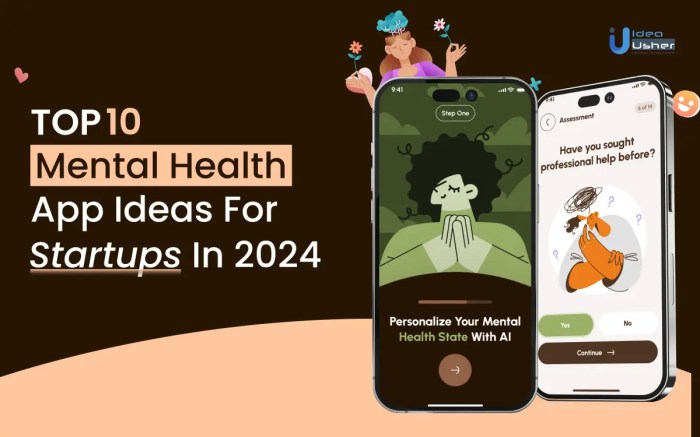
In the ever-evolving landscape of mental health apps, several trends are shaping the industry in 2024. These trends reflect the growing emphasis on technology-driven solutions to support mental well-being.
Integration of AI and Machine Learning
AI and machine learning algorithms are increasingly being integrated into mental health apps to provide personalized insights and recommendations to users. These technologies can analyze user data, such as mood patterns and behavioral trends, to offer tailored interventions and suggestions for improving mental health.
Importance of Personalization and Customization
Personalization and customization have become key features in mental health apps, allowing users to receive individualized support and resources based on their unique needs and preferences. By tailoring the app experience to each user, these platforms can enhance engagement and effectiveness in promoting mental wellness.
Technology Shaping the Future of Mental Health Care
Advancements in technology, including virtual reality therapy, teletherapy, and wearable devices, are reshaping the future of mental health care. These innovations provide new avenues for delivering mental health support, expanding access to services, and promoting continuous monitoring and management of mental well-being.
Mental Health Awareness and Stigma
Mental health apps play a crucial role in raising awareness and reducing stigma surrounding mental health issues. By providing accessible resources and support, these apps contribute to normalizing conversations about mental health and encouraging individuals to seek help when needed.
Breaking Down Barriers
Technology has been instrumental in breaking down barriers to seeking help for mental health concerns. Mental health apps offer a private and convenient way for individuals to access resources, information, and support without the fear of judgment or stigma.
- Mental health apps provide a safe space for individuals to explore their emotions and mental well-being without the fear of being stigmatized.
- These apps offer a platform for users to connect with mental health professionals, peers, and support networks, fostering a sense of community and understanding.
- By leveraging technology, mental health apps make it easier for individuals to track their mental health progress, access therapy sessions, and learn coping strategies anytime, anywhere.
Effectiveness of Mental Health Apps
Studies have shown that mental health apps can be effective in combating stigma and promoting mental well-being.
- A study published in the Journal of Medical Internet Research found that individuals who used mental health apps reported a reduction in stigma-related barriers to seeking help.
- Research conducted by the American Psychiatric Association indicated that mental health apps can improve mental health outcomes and increase treatment adherence among users.
- Statistics from the World Health Organization suggest that the use of mental health apps has led to a significant increase in help-seeking behavior and a decrease in perceived stigma associated with mental health issues.
In conclusion, the world of mental health apps in 2024 is teeming with innovation and potential, offering users a diverse array of options to manage their mental well-being with ease. As technology continues to advance, these apps are poised to play an increasingly vital role in shaping the future of mental health care.
FAQ Summary
How can mental health apps benefit users?
Mental health apps provide convenient access to resources, tools for self-care, and support for managing mental well-being.
What sets the top mental health apps for 2024 apart?
These apps offer unique features tailored to individual needs, such as personalized therapy options and innovative AI integration.
Are mental health apps effective in combating stigma?
Studies show that mental health apps play a significant role in raising awareness, normalizing conversations, and breaking down barriers to seeking help, thus contributing to reducing stigma.