Mental Health Treatment for Depression sets the stage for this enthralling narrative, offering readers a glimpse into a story that is rich in detail and brimming with originality from the outset.
Depression, a common mental health condition, affects millions worldwide. Exploring the various treatments and therapeutic approaches is crucial for understanding and overcoming this debilitating illness.
Mental Health
Mental health is a crucial component of overall well-being, encompassing our emotional, psychological, and social well-being. It affects how we think, feel, and act, playing a significant role in how we handle stress, relate to others, and make choices.
Importance of Mental Health
Ensuring good mental health is essential for a balanced and fulfilling life. It impacts every aspect of our daily functioning, from relationships and work performance to physical health and quality of life.
Stigma Surrounding Mental Health
The stigma surrounding mental health often discourages individuals from seeking treatment. This can lead to a worsening of symptoms and a reluctance to address underlying issues, perpetuating a cycle of suffering in silence.
Benefits of Early Intervention
Addressing mental health concerns early can prevent the escalation of symptoms and improve long-term outcomes. Early intervention allows for timely access to support and resources, enhancing the chances of recovery and well-being.
Common Mental Health Conditions
- Depression: A mood disorder characterized by persistent feelings of sadness, loss of interest or pleasure, and other symptoms that interfere with daily life.
- Anxiety Disorders: Conditions involving excessive worry, fear, or anxiety that can be debilitating and impact daily functioning.
- Bipolar Disorder: A condition marked by extreme mood swings, including periods of mania and depression, affecting energy levels, cognition, and behavior.
- Post-Traumatic Stress Disorder (PTSD): Develops after exposure to a traumatic event, leading to intrusive thoughts, avoidance behaviors, and emotional reactivity.
Mental Health Treatment for Depression
Depression is a common mental health condition characterized by persistent feelings of sadness, hopelessness, and loss of interest in daily activities. It can affect how you think, feel, and handle daily activities, leading to a variety of emotional and physical problems.
Types of Treatments for Depression
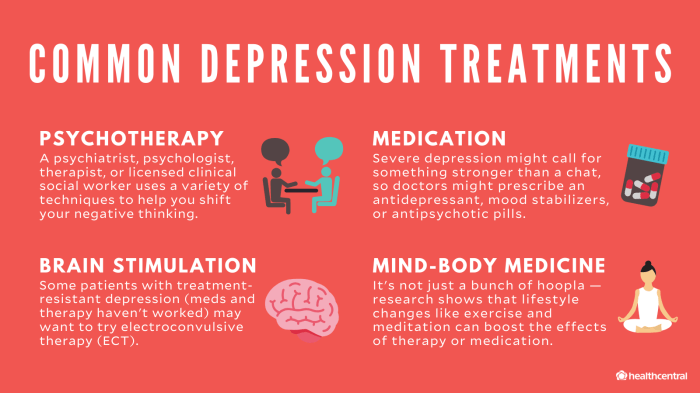
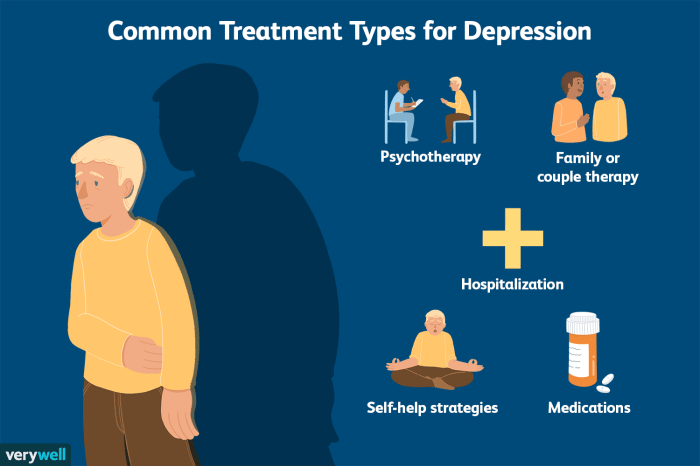
- Psychotherapy: Also known as talk therapy, involves talking with a mental health professional to explore thoughts, feelings, and behaviors contributing to depression. It helps individuals develop coping strategies and improve overall mental well-being.
- Medication: Antidepressants are commonly prescribed to help regulate brain chemicals associated with mood. They can be effective in managing symptoms of depression, but it’s important to work closely with a healthcare provider to find the right medication and dosage.
- Electroconvulsive Therapy (ECT): In severe cases of depression that do not respond to other treatments, ECT may be recommended. It involves passing electrical currents through the brain to induce controlled seizures, which can help alleviate symptoms.
Role of Therapy in Treating Depression
Therapy plays a crucial role in treating depression by providing individuals with a safe space to express their feelings, identify negative thought patterns, and develop healthier coping mechanisms. It can help improve self-awareness, build resilience, and enhance overall emotional well-being.
Use of Medication in Managing Depression
Medication is often used in managing depression to help regulate neurotransmitters in the brain that impact mood. Antidepressants can be effective in reducing symptoms of depression, but it’s essential to work closely with a healthcare provider to monitor side effects and adjust treatment as needed.
Therapeutic Approaches
Cognitive-behavioral therapy (CBT) and interpersonal therapy (IPT) are two common therapeutic approaches used in treating depression. Additionally, mindfulness-based therapies have gained popularity for their effectiveness in managing depressive symptoms.
Cognitive-Behavioral Therapy (CBT)
CBT is a form of psychotherapy that focuses on changing negative thought patterns and behaviors associated with depression. By challenging and replacing these maladaptive beliefs, individuals can learn healthier coping strategies and improve their overall mental well-being.
Interpersonal Therapy (IPT)
IPT is a short-term therapy that targets the individual’s relationships and social interactions. It helps individuals identify and address interpersonal issues that may be contributing to their depression, such as conflicts with loved ones or difficulties in communication. By improving these relationships, individuals can experience relief from depressive symptoms.
Mindfulness-Based Therapies
Mindfulness-based therapies, such as mindfulness-based cognitive therapy (MBCT) and mindfulness-based stress reduction (MBSR), emphasize present-moment awareness and acceptance. These therapies teach individuals to observe their thoughts and feelings without judgment, reducing rumination and promoting emotional regulation. By incorporating mindfulness practices into daily life, individuals can better manage their depressive symptoms.
Comparison of Therapeutic Approaches
- CBT focuses on changing negative thought patterns and behaviors, while IPT targets interpersonal relationships and social interactions.
- Mindfulness-based therapies emphasize present-moment awareness and acceptance of thoughts and feelings.
- CBT and IPT are more structured and goal-oriented, whereas mindfulness-based therapies focus on cultivating mindfulness skills for long-term mental well-being.
Lifestyle Changes
When it comes to managing depression, making positive lifestyle changes can play a significant role in improving mental well-being. Factors such as exercise, healthy eating habits, and good sleep hygiene can all contribute to alleviating depressive symptoms.
Exercise and Mental Health
Regular physical activity has been shown to have a positive impact on mental health by releasing endorphins, which are known as the “feel-good” hormones. Exercise can help reduce symptoms of depression and anxiety, improve mood, and boost self-esteem.
- Engage in activities you enjoy, whether it’s walking, jogging, yoga, or dancing.
- Set realistic goals and start with small steps to gradually increase your activity level.
- Find a workout buddy or join a group exercise class for added motivation and support.
Healthy Eating Habits
Eating a well-balanced diet rich in fruits, vegetables, whole grains, lean proteins, and healthy fats can support your mental well-being. Proper nutrition provides the necessary nutrients for brain function and can help stabilize mood.
- Limit processed foods, sugary snacks, and caffeine, which can negatively impact mood and energy levels.
- Stay hydrated by drinking plenty of water throughout the day.
- Plan and prepare healthy meals in advance to avoid relying on convenience foods when feeling low.
Importance of Sleep Hygiene
Quality sleep is essential for overall health, including mental well-being. Poor sleep habits can exacerbate symptoms of depression and lead to increased stress and irritability.
- Establish a consistent sleep schedule by going to bed and waking up at the same time every day.
- Create a relaxing bedtime routine to signal to your body that it’s time to wind down and prepare for sleep.
- Avoid screens and stimulating activities before bedtime to promote better sleep quality.
In conclusion, delving into the world of mental health treatment for depression unveils a landscape of possibilities for healing and growth. By addressing this condition head-on, individuals can embark on a journey towards improved well-being and a brighter future.
FAQ Explained
How long does it take for treatment to show results?
Treatment outcomes vary for each individual, but some may start noticing improvements within a few weeks to a few months of consistent therapy and medication.
Are there any alternative therapies for depression?
Yes, alternative therapies such as art therapy, music therapy, and acupuncture can complement traditional treatments for depression. It’s important to consult with a healthcare professional before trying any alternative therapies.
Can lifestyle changes alone help manage depression?
Lifestyle changes like regular exercise, healthy eating, and good sleep habits can significantly impact mood and mental health. While they may not be a sole solution for severe depression, they can be beneficial when combined with therapy and medication.