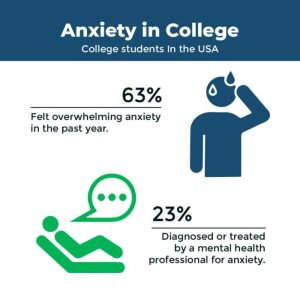
As Mental Health Resources for Anxiety takes center stage, this opening passage beckons readers with casual formal language style into a world crafted with good knowledge, ensuring a reading experience that is both absorbing and distinctly original.
In this comprehensive guide, we explore various mental health resources, the importance of seeking professional help, self-help tools, therapy options, and lifestyle changes for managing anxiety effectively.
Mental Health Resources for Anxiety
Anxiety is a common mental health condition that can have a significant impact on daily life. Fortunately, there are various resources available to help individuals manage and cope with anxiety effectively.
Types of Mental Health Resources
- Therapy: Professional therapists, counselors, or psychologists can provide evidence-based treatments like Cognitive Behavioral Therapy (CBT) to help individuals address and manage their anxiety.
- Medication: Psychiatrists can prescribe medications such as antidepressants or anti-anxiety drugs to alleviate symptoms of anxiety.
- Support Groups: Joining support groups can provide a sense of community and understanding from others who are also dealing with anxiety.
Importance of Seeking Professional Help
Seeking professional help is crucial when dealing with anxiety as trained professionals can offer personalized treatment plans, guidance, and support tailored to individual needs. Therapy and medication prescribed by professionals can significantly improve symptoms and overall well-being.
Role of Self-Help Tools and Techniques
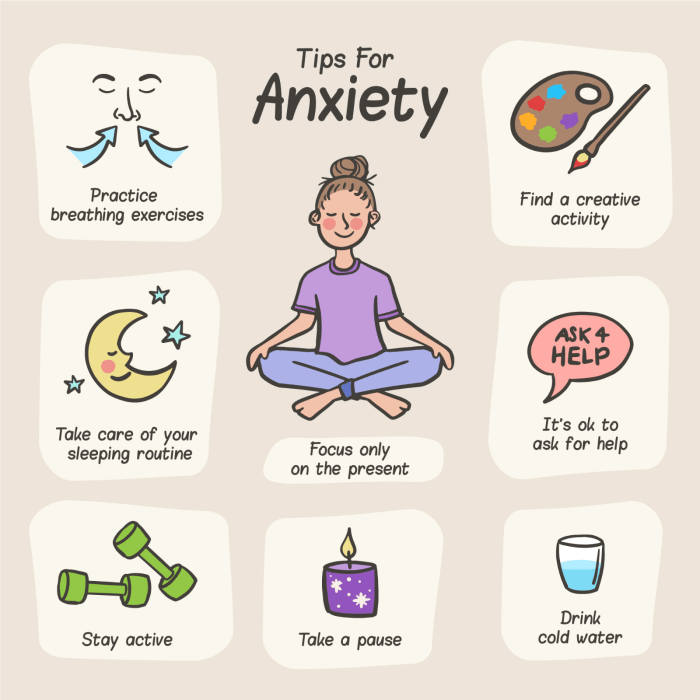
Self-help tools and techniques, such as mindfulness, relaxation exercises, and journaling, can be beneficial in managing anxiety on a day-to-day basis. These tools empower individuals to take an active role in their mental health and develop coping strategies to reduce anxiety symptoms.
Online vs. In-Person Resources
- Online Resources: Websites, apps, and online therapy platforms offer convenience and accessibility for individuals seeking help for anxiety. These resources can provide information, support, and tools for managing anxiety from the comfort of one’s home.
- In-Person Resources: Traditional in-person therapy sessions and support groups offer face-to-face interaction and personalized care from professionals. This direct interaction can be beneficial for individuals who prefer a more hands-on approach to managing their anxiety.
Types of Mental Health Professionals
When seeking help for anxiety, it’s important to know the different types of mental health professionals who specialize in treating this condition. Each professional has a unique approach and expertise in managing anxiety.
Therapists
- Therapists are trained professionals who provide counseling and therapy to individuals struggling with anxiety.
- They help clients develop coping strategies, explore underlying issues, and work towards improving mental well-being.
- Therapists can include social workers, counselors, and marriage and family therapists.
Psychologists
- Psychologists are experts in human behavior and mental processes, specializing in diagnosing and treating various mental health conditions, including anxiety disorders.
- They use psychotherapy and psychological assessments to help individuals understand and manage their anxiety symptoms.
Psychiatrists
- Psychiatrists are medical doctors who can prescribe medication to manage anxiety symptoms in addition to providing therapy.
- They are able to evaluate the physical and mental aspects of anxiety and offer a comprehensive treatment plan.
Choosing the right mental health professional for anxiety management depends on individual preferences, severity of symptoms, and treatment goals. It’s essential to consider factors such as therapeutic approach, experience, and compatibility when selecting a provider to work with.
Therapy Options for Anxiety
When dealing with anxiety disorders, various therapy approaches can be utilized to help individuals manage their symptoms effectively.
Cognitive-Behavioral Therapy (CBT)
- CBT is a widely used therapy approach for treating anxiety disorders.
- It focuses on identifying and changing negative thought patterns and behaviors that contribute to anxiety.
- CBT helps individuals develop coping strategies and skills to manage anxiety triggers.
- Research has shown that CBT is highly effective in reducing anxiety symptoms and improving overall well-being.
Exposure Therapy
- Exposure therapy involves gradually exposing individuals to anxiety-provoking situations or triggers.
- Through repeated exposure, individuals learn to confront and manage their fears, reducing anxiety over time.
- This therapy helps individuals desensitize to their anxiety triggers and regain a sense of control.
- Exposure therapy has been found to be effective in treating specific phobias, social anxiety, and PTSD.
Mindfulness-Based Therapy and Acceptance and Commitment Therapy
- Mindfulness-based therapy focuses on cultivating present-moment awareness and acceptance of thoughts and emotions.
- It helps individuals develop a non-judgmental attitude towards their anxiety symptoms.
- Acceptance and Commitment Therapy (ACT) encourages individuals to accept their thoughts and feelings rather than trying to control or eliminate them.
- ACT emphasizes living a values-based life and taking committed action towards personal goals despite anxiety.
Lifestyle Changes and Coping Strategies
Making certain lifestyle changes and adopting effective coping strategies can significantly help in managing anxiety symptoms. These changes focus on creating a healthier environment for both the mind and body to thrive.
Physical Activity and Mental Health
Regular physical activity plays a crucial role in managing anxiety. Exercise helps in releasing endorphins, which are known as the body’s natural stress relievers. Engaging in activities like walking, jogging, yoga, or even dancing can have a positive impact on reducing anxiety symptoms.
Relaxation Techniques for Coping
Incorporating relaxation techniques such as deep breathing exercises, meditation, or mindfulness practices can help calm the mind and reduce feelings of anxiety. These techniques promote a sense of relaxation and can be easily integrated into daily routines to manage stress and anxiety effectively.
Healthy Coping Strategies and Resilience
Developing healthy coping strategies involves identifying triggers and implementing positive ways to address them. This may include practicing self-care, setting boundaries, seeking support from loved ones, or engaging in activities that bring joy and relaxation. Building resilience through these strategies can help individuals navigate challenging situations and manage anxiety more effectively.
In conclusion, navigating the realm of mental health resources for anxiety can be daunting but crucial. By understanding the available options, seeking help from professionals, and making necessary lifestyle changes, individuals can effectively cope with anxiety and improve their overall well-being.
FAQ Summary
What are some effective self-help tools for managing anxiety?
Self-help tools like mindfulness meditation, journaling, and relaxation techniques can be effective in managing anxiety.
How do I choose the right mental health professional for anxiety?
Consider their specialization, experience, and approach to treatment to choose the right mental health professional for anxiety.
Is online therapy as effective as in-person therapy for anxiety management?
Online therapy can be effective for some individuals, but in-person therapy allows for more personalized interaction and immediate feedback.