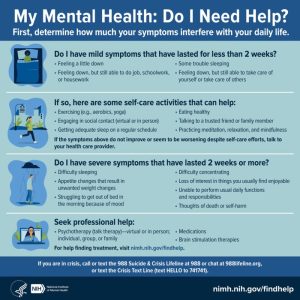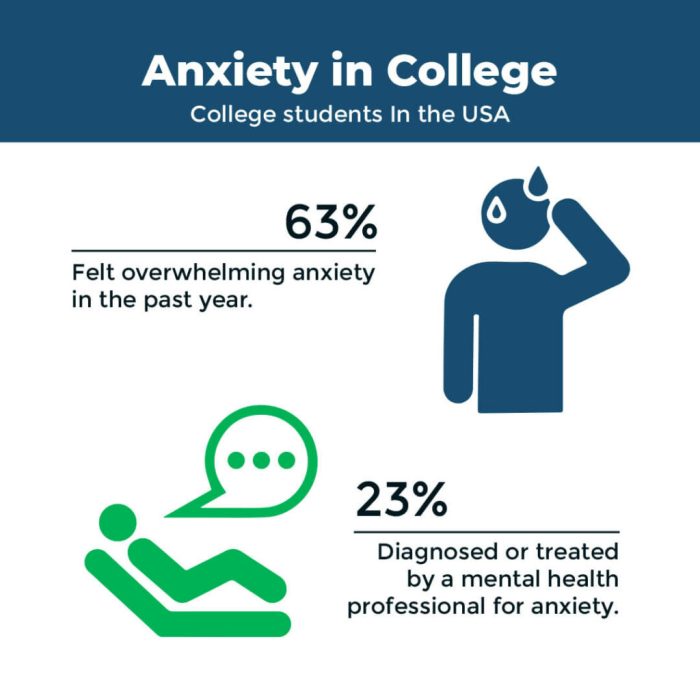
Embarking on the journey of Mental Health Resources for College Students opens doors to understanding the crucial support systems and initiatives vital for student well-being. Delve into a realm where mental health takes precedence, shaping a narrative that combines insight with practicality, promising a compelling read.
Exploring the nuances of mental health challenges, resources, and awareness strategies forms the crux of this discussion, offering a comprehensive guide for navigating the complexities of collegiate mental well-being.
Mental Health Resources for College Students
College campuses play a crucial role in supporting the mental health of students. The transition to college life, academic pressures, social challenges, and living away from home can all contribute to increased stress and mental health issues among college students. It is essential for colleges to provide adequate mental health resources to support students in navigating these challenges effectively.
Common Mental Health Challenges Faced by College Students
- Stress and Anxiety: The pressure to excel academically, manage finances, and maintain social relationships can lead to high levels of stress and anxiety among college students.
- Depression: Feelings of sadness, hopelessness, and loss of interest in activities are common symptoms of depression that many college students experience.
- Loneliness and Isolation: Being away from family and friends, coupled with the demands of college life, can often lead to feelings of loneliness and isolation.
- Substance Abuse: Some students may turn to drugs or alcohol as a way to cope with stress, leading to substance abuse issues.
Impact of Mental Health on Academic Performance
Mental health directly impacts academic performance. Students struggling with mental health issues may find it challenging to concentrate, stay motivated, or meet deadlines, ultimately affecting their grades and overall academic success.
Benefits of Seeking Mental Health Resources Early
- Early intervention can prevent mental health issues from escalating and becoming more severe.
- Accessing resources early can help students develop coping strategies and resilience to better manage stressors.
- Seeking help early promotes overall well-being and academic success, creating a positive college experience.
Types of Mental Health Resources
When it comes to mental health resources for college students, there are various options available to provide support and assistance.
Counseling Services
Counseling services offered by universities or colleges often provide professional support from licensed therapists or counselors. These services can help students navigate their mental health challenges and develop coping strategies.
Support Groups
Support groups bring together individuals facing similar mental health issues to share experiences, offer advice, and provide emotional support. These groups can create a sense of community and belonging for college students.
Hotlines
Hotlines offer immediate access to trained professionals who can provide crisis intervention, guidance, and emotional support over the phone. These services are crucial for students in need of urgent help.
Online Resources vs. In-Person Support
While online resources provide convenience and accessibility, in-person support often allows for a more personalized and interactive experience. Both options have their advantages and effectiveness depending on individual preferences and needs.
Self-Help Tools and Techniques
- Practicing mindfulness and meditation
- Engaging in regular physical activity
- Maintaining a healthy diet
- Journaling thoughts and feelings
- Setting boundaries and prioritizing self-care
Peer Support
Peer support involves connecting with fellow students who can offer empathy, understanding, and shared experiences. This form of support can reduce feelings of isolation and promote a sense of community among college students.
Accessing Mental Health Services
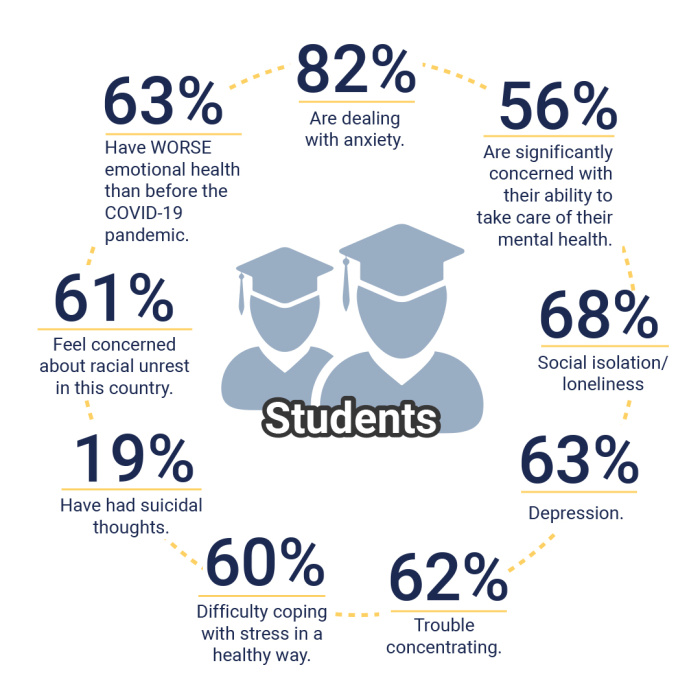
When it comes to accessing mental health services on campus, it’s important for students to know the steps involved, the confidentiality policies in place, how to encourage peers to seek help, and the challenges they may face.
Steps for Accessing Mental Health Services on Campus
Students can typically access mental health services on campus by following these steps:
- Check with the university counseling center or health services for available resources.
- Schedule an appointment with a counselor or therapist.
- Attend the appointment and discuss any concerns or issues you may be facing.
- Follow up with any recommended treatment or therapy sessions.
Confidentiality Policies Surrounding Mental Health Resources in College
Confidentiality is crucial in mental health services, and colleges usually have strict policies to protect students’ privacy. It’s important to understand that your information will be kept confidential unless there is a risk of harm to yourself or others.
Tips for Encouraging Peers to Seek Help When Needed
It’s essential to create a supportive environment where peers feel comfortable seeking help. Here are some tips for encouraging them:
- Listen actively and without judgment when they express their feelings.
- Share your own experiences with seeking help to normalize the process.
- Offer to accompany them to their first appointment or provide them with resources.
- Remind them that seeking help is a sign of strength, not weakness.
Challenges Students May Face in Accessing Mental Health Services
Despite the availability of services, students may encounter challenges when trying to access mental health resources on campus. Some common obstacles include:
- Long wait times for appointments due to high demand.
- Stigma surrounding mental health that prevents students from seeking help.
- Limited availability of specialized services for certain mental health conditions.
- Financial constraints that make accessing services difficult for some students.
Promoting Mental Health Awareness
Mental health awareness campaigns play a crucial role in college campuses by breaking the stigma surrounding mental health issues and encouraging students to seek help when needed.
Strategies for Promoting Mental Health Awareness
- Organize workshops and seminars to educate students about mental health conditions and coping mechanisms.
- Collaborate with student organizations to host events that promote mental health awareness and provide resources.
- Utilize social media platforms to share information, resources, and personal stories related to mental health.
- Implement peer support programs where students can connect with trained peers for guidance and support.
Role of Faculty and Staff in Supporting Mental Health Initiatives
- Offer training to faculty and staff on recognizing signs of mental distress in students and how to provide appropriate support.
- Create a supportive environment where students feel comfortable discussing mental health concerns without fear of judgment.
- Encourage faculty and staff to promote mental health resources available on campus and in the community.
Successful Mental Health Awareness Programs in Colleges
- The “Let’s Talk” campaign at XYZ University provided a safe space for students to have open conversations about mental health and access resources.
- The “Mental Health Matters” week at ABC College included a series of events, such as mindfulness workshops and panel discussions, to raise awareness.
- The “Stomp Out Stigma” initiative at DEF University focused on challenging stereotypes and misconceptions about mental health through interactive activities and discussions.
In conclusion, Mental Health Resources for College Students encapsulates a world where early intervention, diverse support mechanisms, and heightened awareness converge to foster a culture of well-being and resilience among students, heralding a future where mental health is prioritized and embraced.
Questions Often Asked
How can college students benefit from mental health resources?
College students can benefit from mental health resources by accessing counseling services, support groups, and hotlines, which offer them guidance, support, and a safe space to address their mental health challenges.
What are some effective self-help tools for managing mental health?
Effective self-help tools for managing mental health include mindfulness practices, journaling, exercise, and relaxation techniques, which can help students cope with stress and improve their overall well-being.
How can peers support each other in accessing mental health services?
Peers can support each other by normalizing conversations about mental health, encouraging seeking help when needed, and providing a non-judgmental listening ear to those experiencing challenges.
What role do faculty and staff play in promoting mental health awareness on college campuses?
Faculty and staff play a crucial role in promoting mental health awareness by creating supportive environments, offering resources, and recognizing signs of distress in students, thereby contributing to a culture of well-being and support.