Online Mental Health Therapy Services sets the stage for this enthralling narrative, offering readers a glimpse into a story that is rich in detail with casual formal language style and brimming with originality from the outset.
Online therapy has revolutionized the way individuals seek mental health support, providing a convenient and effective alternative to traditional in-person therapy. This guide delves into the realm of online mental health therapy services, exploring its benefits, types, considerations, and impact on breaking barriers to mental health care.
Online Mental Health Therapy Services
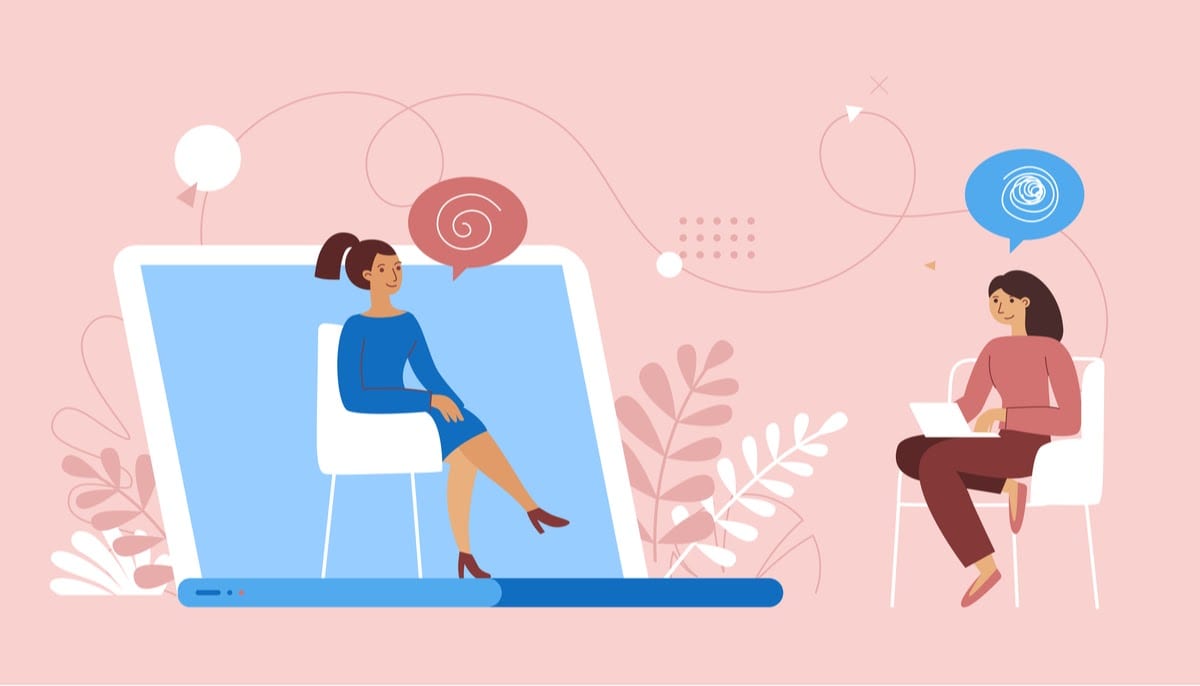
Online mental health therapy services refer to counseling and therapy sessions that are conducted through digital platforms such as websites, mobile apps, or video calls. These services allow individuals to seek help from licensed therapists and counselors from the comfort of their own homes.
Examples of Platforms Offering Online Mental Health Therapy Services:
- BetterHelp: A popular online therapy platform that connects users with licensed therapists through video calls, phone calls, or messaging.
- Talkspace: Another well-known platform that offers online therapy services with licensed therapists available for video sessions and messaging.
- TherapyRoute: An online directory that helps individuals find therapists offering online counseling services based on their specific needs and preferences.
Advantages and Disadvantages of Online Therapy:
Online therapy offers several benefits compared to traditional in-person therapy:
- Convenience: Online therapy allows individuals to access mental health support from anywhere, eliminating the need to travel to a therapist’s office.
- Accessibility: Online therapy can be more accessible to individuals in remote areas or those with physical disabilities.
- Cost-effective: Online therapy services may be more affordable than traditional therapy sessions, making mental health support more accessible to a wider range of individuals.
However, there are also some drawbacks to consider:
- Lack of in-person connection: Online therapy may lack the personal connection that is often established during in-person therapy sessions.
- Technical difficulties: Issues with internet connection or technology can disrupt online therapy sessions and impact the quality of care.
- Confidentiality concerns: Some individuals may have concerns about the privacy and security of their personal information when engaging in online therapy.
Types of Online Therapy
Online therapy comes in various forms to cater to different preferences and needs. Here are some common types of online therapy along with insights on their effectiveness in addressing mental health concerns.
Text-Based Therapy
- Text-based therapy involves communicating with a therapist through messaging platforms or emails.
- It allows individuals to express their thoughts and feelings in writing, providing a sense of anonymity and flexibility.
- Text-based therapy can be effective for those who prefer written communication and find it easier to articulate their emotions through writing.
Video Call Therapy
- Video call therapy involves real-time communication with a therapist through video conferencing platforms.
- It offers a more personal and interactive experience compared to text-based therapy.
- Video call therapy allows for non-verbal cues to be observed, enhancing the therapeutic process.
Phone Call Therapy
- Phone call therapy involves speaking with a therapist over the phone.
- It provides a convenient option for those who may not have access to video conferencing or prefer verbal communication.
- Phone call therapy can be effective for individuals who feel more comfortable expressing themselves verbally.
Choosing the Right Online Therapy
- Consider your preferred mode of communication (text, video, or phone) and how you feel most comfortable expressing yourself.
- Think about the level of interaction you desire with your therapist and whether you prefer visual cues or written communication.
- Reflect on your mental health concerns and which type of therapy aligns best with your needs and goals.
Benefits of Online Mental Health Therapy Services
Online mental health therapy services offer numerous benefits that contribute to improving individuals’ mental health and well-being. These services have become increasingly popular due to their convenience, accessibility, and effectiveness in providing support to those in need. Let’s explore some of the key advantages of accessing mental health therapy services online.
Convenience and Accessibility
- Online therapy allows individuals to seek help from the comfort of their own homes, eliminating the need to travel to a therapist’s office.
- It provides flexibility in scheduling appointments, making it easier for individuals with busy schedules to prioritize their mental health.
- People living in remote areas or those with limited access to mental health services can benefit from online therapy options.
Cost-Effectiveness
- Online therapy services are often more affordable than traditional in-person therapy, making mental health support more accessible to a wider range of individuals.
- There are no additional costs associated with transportation or time off work, reducing the financial burden of seeking mental health treatment.
Privacy and Comfort
- Individuals may feel more comfortable discussing personal issues in a familiar environment, leading to more open and honest communication with their therapist.
- Online therapy offers a level of anonymity that can help reduce the stigma associated with seeking mental health support.
Continuity of Care and Support
- Online therapy services provide ongoing support to individuals, ensuring continuity of care even during challenging times or when face-to-face sessions are not possible.
- Therapists can use various digital tools to stay connected with their clients, monitor progress, and provide timely interventions when needed.
Considerations Before Opting for Online Therapy
When considering online therapy as a mental health treatment option, there are several important factors to keep in mind to ensure you receive quality care and support.Some key considerations include:
Qualifications and Credentials of Online Therapists
Before starting online therapy, it is essential to research and verify the qualifications and credentials of the therapists you are considering. Look for licensed mental health professionals with experience in providing therapy online. Check for certifications and memberships in professional organizations related to mental health.
Ensuring Security and Confidentiality
To maintain the security and confidentiality of your online therapy sessions, there are some tips you can follow:
- Choose a secure and encrypted platform for your sessions to protect your personal information.
- Verify that your therapist follows strict confidentiality guidelines and privacy policies.
- Avoid sharing sensitive personal information over unsecured networks or public Wi-Fi.
- Set up a private and quiet space for your therapy sessions to ensure privacy.
Mental Health
Understanding mental health and its significance is crucial for overall well-being. Mental health refers to our emotional, psychological, and social well-being, impacting how we think, feel, and act. It plays a key role in handling stress, making choices, and forming relationships.
Common Mental Health Conditions
Various mental health conditions can benefit from therapy services, including:
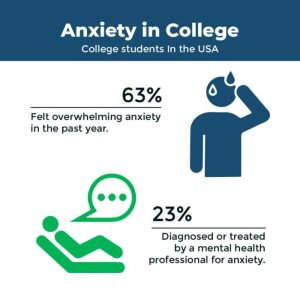
- Anxiety disorders
- Depression
- PTSD (Post-Traumatic Stress Disorder)
- Bipolar disorder
Stigma Surrounding Mental Health
There is often a stigma attached to mental health issues, leading many individuals to hesitate seeking help. Online therapy can help in overcoming this stigma by providing a discreet and convenient way to access mental health support. It allows individuals to receive therapy from the comfort of their own space without facing the fear of judgment or discrimination.
In conclusion, Online Mental Health Therapy Services not only offers a lifeline to those in need of mental health support but also paves the way for a more accessible and stigma-free approach to seeking help. By embracing the digital age, individuals can now prioritize their mental well-being with ease and convenience.
Top FAQs
What are the advantages of online therapy over traditional in-person therapy?
Online therapy offers greater accessibility, convenience, and affordability compared to traditional therapy. It eliminates geographical barriers and allows individuals to seek help from the comfort of their own space.
How can one ensure the security and confidentiality of online therapy sessions?
It is important to choose a reputable online therapy platform that prioritizes data security and confidentiality. Look for platforms that use encryption technology and have clear privacy policies in place.
What types of online therapy are available and how effective are they?
There are various types of online therapy such as text-based, video call, and phone call therapy. The effectiveness depends on individual preferences and needs, with studies showing positive outcomes across different formats.
How does online therapy contribute to breaking down barriers to mental health care?
Online therapy removes obstacles like long wait times, transportation issues, and stigma associated with seeking help. It allows individuals to access therapy discreetly and comfortably, promoting a more inclusive approach to mental health support.