
Embark on a journey exploring Mental Health and Self-Care Practices, delving into the intricate relationship between the mind and well-being.
Discover the fundamental aspects of mental health and the transformative power of self-care practices in nurturing a balanced lifestyle.
Mental Health
Mental health refers to a person’s emotional, psychological, and social well-being. It plays a crucial role in how we think, feel, and act. Good mental health is essential for coping with stress, relating to others, and making choices that promote overall well-being.
Significance of Mental Health
Maintaining good mental health is vital for overall well-being. It impacts how we handle stress, relate to others, and make healthy choices. Neglecting mental health can lead to various issues like anxiety, depression, and other mental health disorders.
Importance of Mental Health Awareness
Raising awareness about mental health is crucial in dispelling myths and reducing stigma. It encourages people to seek help and support when needed, promoting early intervention and better outcomes for individuals facing mental health challenges.
Common Mental Health Disorders
- Anxiety Disorders: These disorders cause excessive fear, worry, or anxiety, affecting daily activities.
- Depression: A mood disorder that causes persistent feelings of sadness and loss of interest in activities.
- Bipolar Disorder: Characterized by extreme mood swings from high (mania) to low (depression).
- Schizophrenia: A severe mental disorder that affects a person’s thinking, feeling, and behavior.
Combatting Stigma Surrounding Mental Health
- Education and Awareness: Providing accurate information about mental health can help challenge misconceptions and reduce stigma.
- Encouraging Open Conversations: Creating a safe space for individuals to talk about their mental health can foster understanding and support.
- Supporting Mental Health Initiatives: Participating in or advocating for mental health programs and services can contribute to reducing stigma in society.
Self-Care Practices
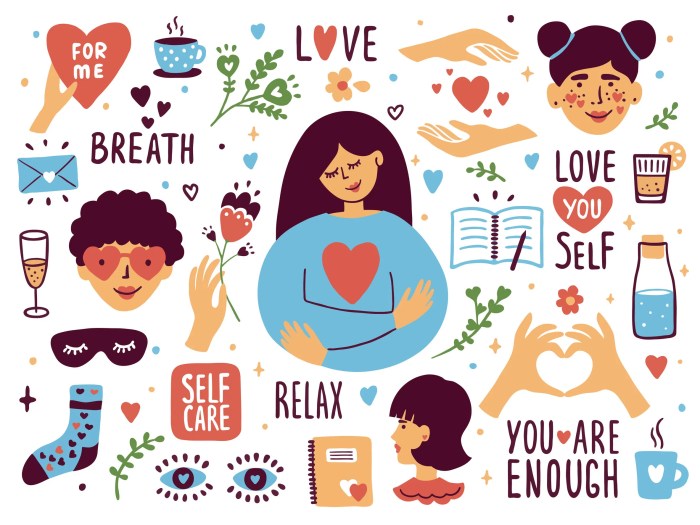
Self-care is the practice of taking deliberate actions to preserve or improve one’s own health and well-being. It plays a crucial role in maintaining good mental health by helping individuals cope with stress, build resilience, and enhance overall quality of life.
Various Self-Care Practices
- Regular exercise: Engaging in physical activity releases endorphins, which are known to reduce stress and improve mood.
- Mindfulness and meditation: Practices that focus on being present in the moment can help calm the mind and reduce anxiety.
- Healthy eating: Consuming a balanced diet rich in nutrients can positively impact both physical and mental health.
- Social connections: Maintaining relationships with friends and family provides emotional support and a sense of belonging.
- Sleep hygiene: Prioritizing quality sleep is essential for cognitive function and emotional well-being.
Tips for Creating a Personalized Self-Care Routine
- Identify your needs: Take time to reflect on what activities or practices make you feel rejuvenated and fulfilled.
- Start small: Begin by incorporating simple self-care activities into your daily routine and gradually build upon them.
- Stay consistent: Consistency is key in establishing a self-care routine that works for you. Set aside dedicated time each day for self-care practices.
- Be flexible: Be open to adjusting your self-care routine as needed to accommodate changes in your schedule or preferences.
Benefits of Incorporating Self-Care Practices
- Stress reduction: Self-care activities can help alleviate stress and prevent burnout.
- Improved mental health: By prioritizing self-care, individuals can boost their mood, self-esteem, and overall mental well-being.
- Enhanced productivity: Taking care of oneself can lead to increased focus, energy, and efficiency in daily tasks.
- Greater resilience: Engaging in self-care practices can help individuals better cope with challenges and setbacks.
Mindfulness and Meditation
Mindfulness and meditation are powerful practices that play a crucial role in maintaining mental health and well-being. By cultivating awareness of the present moment and learning to observe thoughts and feelings without judgment, individuals can reduce stress, anxiety, and depression while fostering a sense of inner peace and clarity.
The Concept of Mindfulness
Mindfulness involves paying attention to the present moment with intention, focusing on sensations, thoughts, and emotions without getting caught up in them. It is about being fully engaged in what is happening right now, rather than dwelling on the past or worrying about the future.
Different Meditation Techniques for Stress Reduction
There are various meditation techniques that can help reduce stress and promote relaxation. Some popular methods include:
- Guided meditation: Following a recorded audio or video that directs your attention and helps you relax.
- Body scan meditation: Bringing attention to different parts of the body, releasing tension and promoting relaxation.
- Breath awareness meditation: Focusing on the breath to anchor the mind and calm the nervous system.
- Loving-kindness meditation: Cultivating feelings of compassion and love towards oneself and others.
Personal Experiences with Mindfulness
Practicing mindfulness has personally helped me navigate through challenging times by allowing me to stay grounded and centered. By incorporating mindfulness into my daily routine, I have noticed a significant improvement in my overall mental well-being and resilience.
Impact of Mindfulness and Meditation on Mental Well-Being
The regular practice of mindfulness and meditation has been scientifically proven to reduce stress, anxiety, and depression, enhance focus and concentration, improve emotional regulation, and increase overall feelings of well-being and happiness. These practices can empower individuals to better cope with life’s challenges and lead a more fulfilling and balanced life.
Physical Exercise and Mental Health
Regular physical exercise plays a crucial role in promoting mental well-being. The connection between physical activity and mental health is significant, as exercise can help reduce symptoms of anxiety, depression, and stress. It also improves overall mood and cognitive function.
Types of Exercises Beneficial for Mental Health
- Aerobic exercises, such as running, swimming, or cycling, can increase levels of endorphins and reduce stress.
- Strength training exercises, like weightlifting, can boost self-esteem and improve body image.
- Yoga and Pilates combine physical movement with mindfulness, promoting relaxation and reducing anxiety.
- Dance classes or group sports can enhance social connections and provide a sense of community, reducing feelings of loneliness.
Psychological Benefits of Regular Exercise
- Exercise can improve sleep quality, leading to better rest and increased energy levels throughout the day.
- Physical activity releases neurotransmitters like serotonin and dopamine, which are associated with feelings of happiness and well-being.
- Regular exercise can help manage symptoms of ADHD and improve focus and concentration.
Strategies for Incorporating Exercise into a Busy Lifestyle
- Schedule workouts like appointments in your calendar to prioritize exercise time.
- Choose activities that you enjoy to make exercise more sustainable and enjoyable.
- Incorporate physical activity into daily routines, such as taking the stairs instead of the elevator or going for a walk during breaks.
- Consider short, high-intensity workouts for time efficiency, like HIIT or Tabata training.
In conclusion, Mental Health and Self-Care Practices serve as pillars of holistic well-being, empowering individuals to prioritize mental wellness and embrace self-care as a vital component of their daily routine.
Questions Often Asked
How can self-care practices impact mental health?
Self-care practices play a crucial role in enhancing mental well-being by promoting relaxation, stress reduction, and emotional balance.
What are some effective ways to combat the stigma surrounding mental health?
Combatting stigma involves promoting open conversations, education, and fostering a supportive environment that encourages seeking help without judgment.


